Are Trawlers Making an (Economical) Comeback?
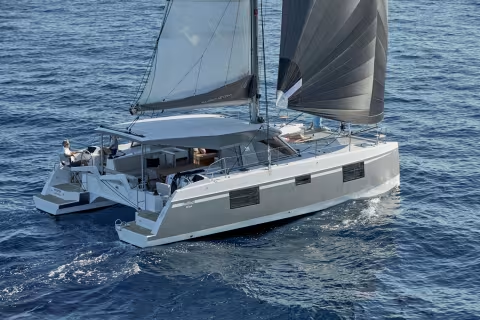
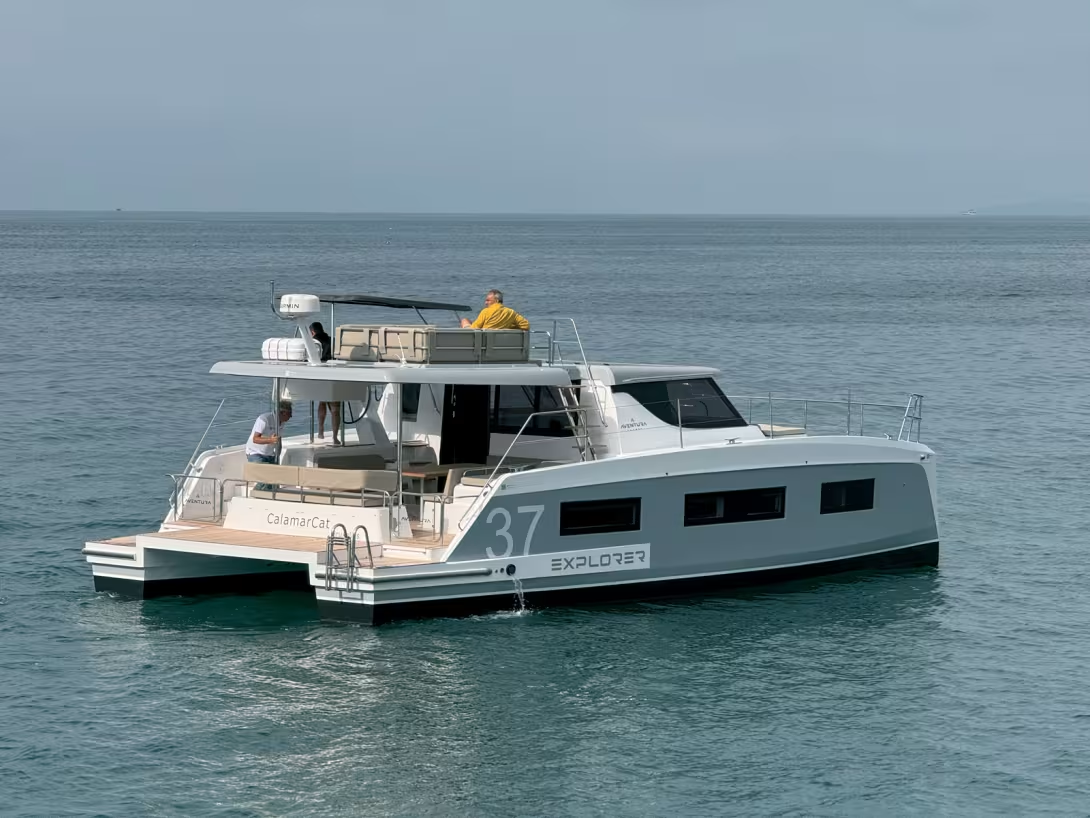
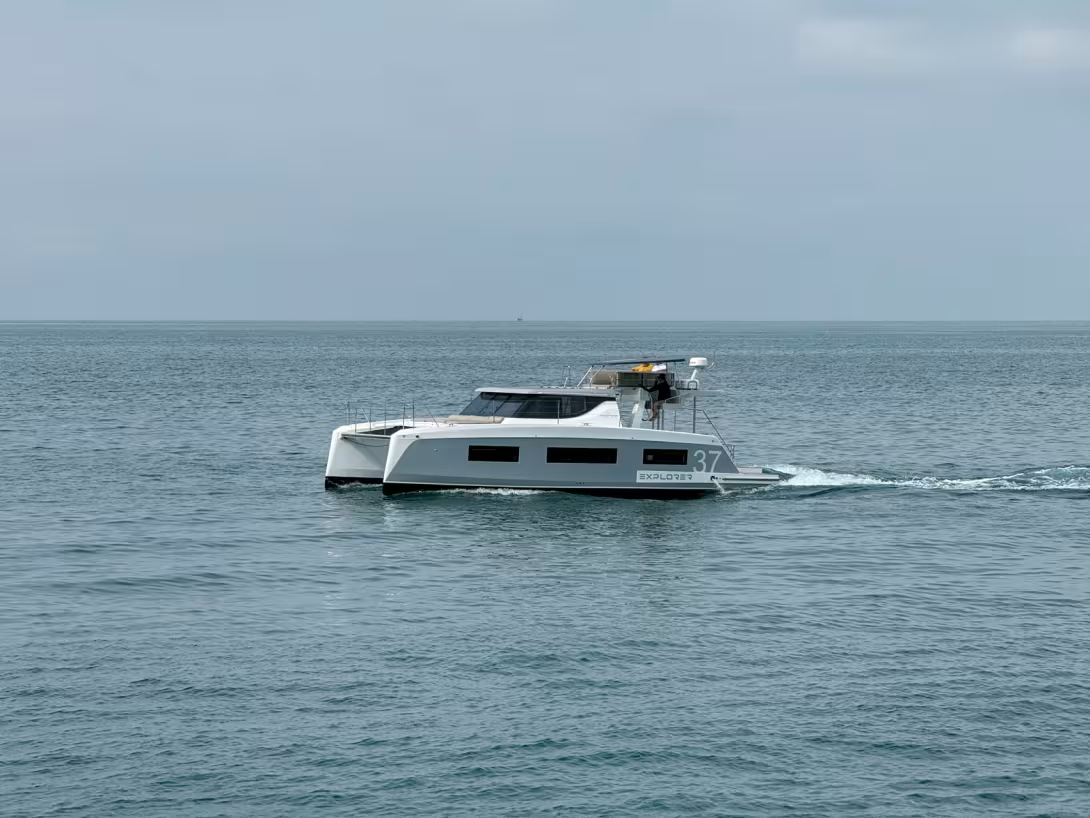
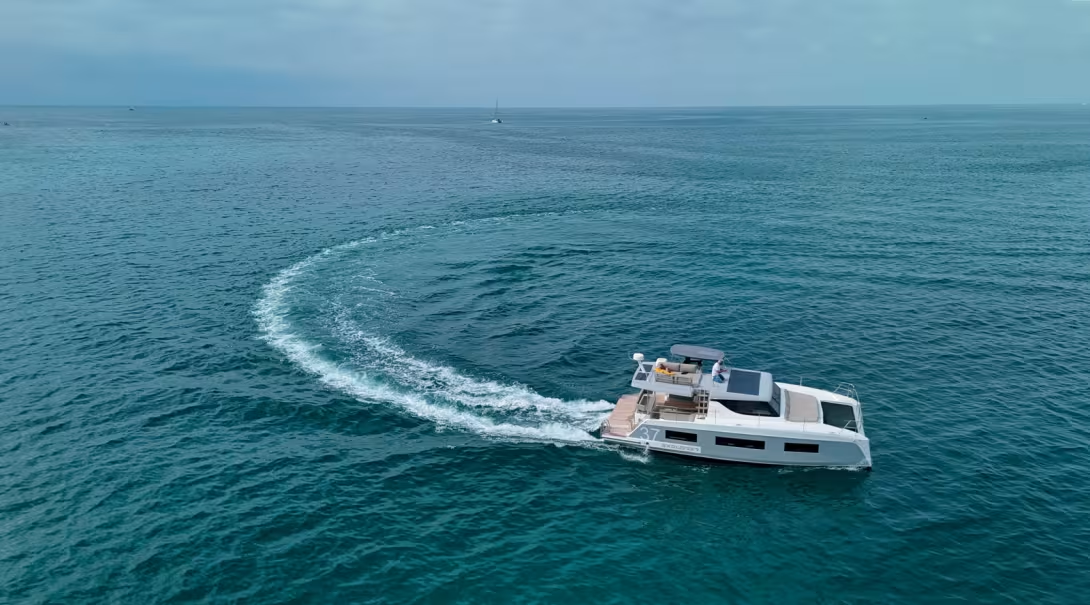
For a long time, converting a sailing catamaran into a power version was tantamount to commercial suicide. The Lagoon 40 MY, which was based on the 39 sailing model, bore witness to this. But fifteen years later, expectations have changed: range, fuel efficiency, and a reasonable price sometimes matter more than the 20 or 25-knot top speed once considered to be essential. With its 37 Explorer, which is based on the platform of its best-selling 37 sailing model, Aventura is embracing a concept that has long gone out of style: that of a twin-hulled trawler. Priced at less than € 300,000 and already very well received commercially, this small powercat may well have arrived at just the right time and naturally finds its place in this issue dedicated to cruising.
Image
Image
Image
1
/
1
Practical information
- The builder : Aventura 37
- The spec sheet
- Watch our exclusive video
- Finance your Aventura 37 Explorer Sedan
- Insure your Aventura 37 Explorer Sedan
- Articles about the Aventura 37 Explorer Sedan
Test location: La Grande-Motte, France
Conditions: 4 to 7 knots of wind, slight residual swell
When Marketing Changes Course
The world of powercats has long held onto several fixed ideas. The first, dating back to the 2000s, was that a motor catamaran had to be designed as such right from the outset. The second practically demanded a top speed in excess of 20 knots. Anything slower than that, and the powercat immediately risked being considered sluggish.
The story of the Lagoon 40 MY was a perfect illustration. Directly derived from the Lagoon 39 sailboat, this…