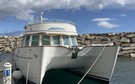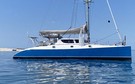

The first mass-produced cruising multihulls came from Great Britain: as early as 1955, the Prout brothers assembled a 36-foot catamaran – they would later become much better known for their Snowgoose. In 1965, the British builder Sail Craft Ltd. presented the famous Iroquois. This catamaran, designed by J.R. Macalpine-Downie, already featured a chine-deflector on the forward half of its hulls. Other shipyards, also based in the UK, entered this market. Catalac started with its famous 9M in 1970; Heavenly Cruising Yachts launched its premier Heavenly Twins, the 26, in 1971. Things were also happening with trimarans, but primarily on the other side of the Atlantic. Up-and-coming naval architects like Dick Newick were designing trimarans as early as 1968, dedicated to racing, and later to cruising. In the early 1970s, Tony Smith, based in Annapolis, launched the Telstar, characterized by a central pod extending well beyond the hull.
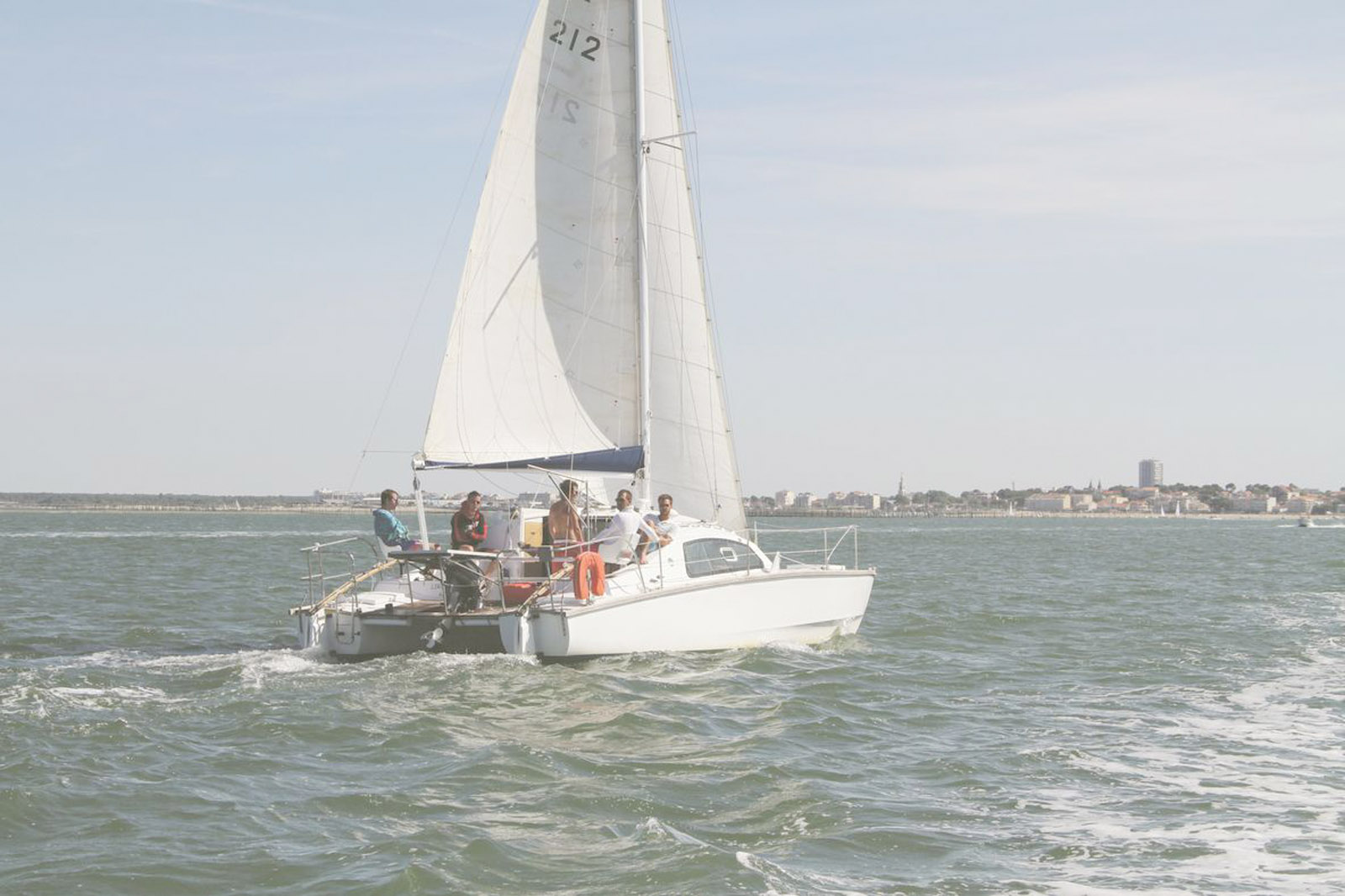 The Iroquois is undoubtedly the oldest liveaboard multihull built in large numbers – 300 examples.
Living on One Level… and Without Heeling
It wasn't until much later, in 1983, that Fountaine Pajot launched its Louisiane, the ancestor of the modern catamaran we know today. A year later, Lagoon entered the scene under the Jeanneau umbrella, before joining the Bénéteau Group and becoming a world leader – 7,700 catamarans built! This time, it's in France. The 1980s were the years of the emergence of the multihull market. Numerous manufacturers joined the sector – including Atelier Outremer and Catana (1984) and Privilège Marine (1985). In the early 1990s, South Africa caught the multihull bug with the emergence of local pioneer Robertson & Caine, manufacturer of the Leopard. Today, the country boasts around fifteen manufacturers – a non-exhaustive list includes Balance, Kinetic, Ksynna, Majestic, St Francis, Vision, Voyage, and Xquisite. Highly sought after by charter fleets, catamarans are evolving; they are becoming more comfortable and easier to handle. In the realm of blue water cruising, twin-hulled sailboats are increasingly appealing to sailors who want to live on a single level without heeling. In the late 1990s, multipower catamarans appeared in the catalogs of Privilège and Fountaine. The power catamaran market remained relatively niche for a long time, but it is now experiencing strong growth thanks to companies like Aquila and Leopard.
The multiyacht sector, meanwhile, became structured in the 2000s and has been the most dynamic segment of the multihull market for the past decade. From pure sailing vessels, our multihulls have become living platforms – in fact, we spend 80 to 90% of our time in port and at anchor. Some "true" sailors don't find this appealing, but the market hasn't forgotten them: many shipyards still offer sleek and sporty models, such as Balance, Comar, Cure Marine, Gun Boat, HH, ITA Catamarans, McConaghy, Kinetic, ORC, Outremer, O'Yachts, and Slyder. Others offer a more balanced approach, like Excess, Nautitech and Seawind. Long ignored by the cruising sector, the trimaran has made a strong comeback since the 2000s. Builders like Astus Boats, Corsair Marine, Quorning Boats (Dragonfly), and Tricat have launched complete ranges of trimarans with folding floats. In the over-40-foot market, Neel Trimarans and Rapido Trimarans quickly established themselves. Naval architects and designers have adapted to the demand for comfort and market trends to offer new solutions. Let's take a brief, non-exhaustive look at the main ideas and concepts that have shaped the industry over the last 40 years.
1983 – First Modern Catamaran
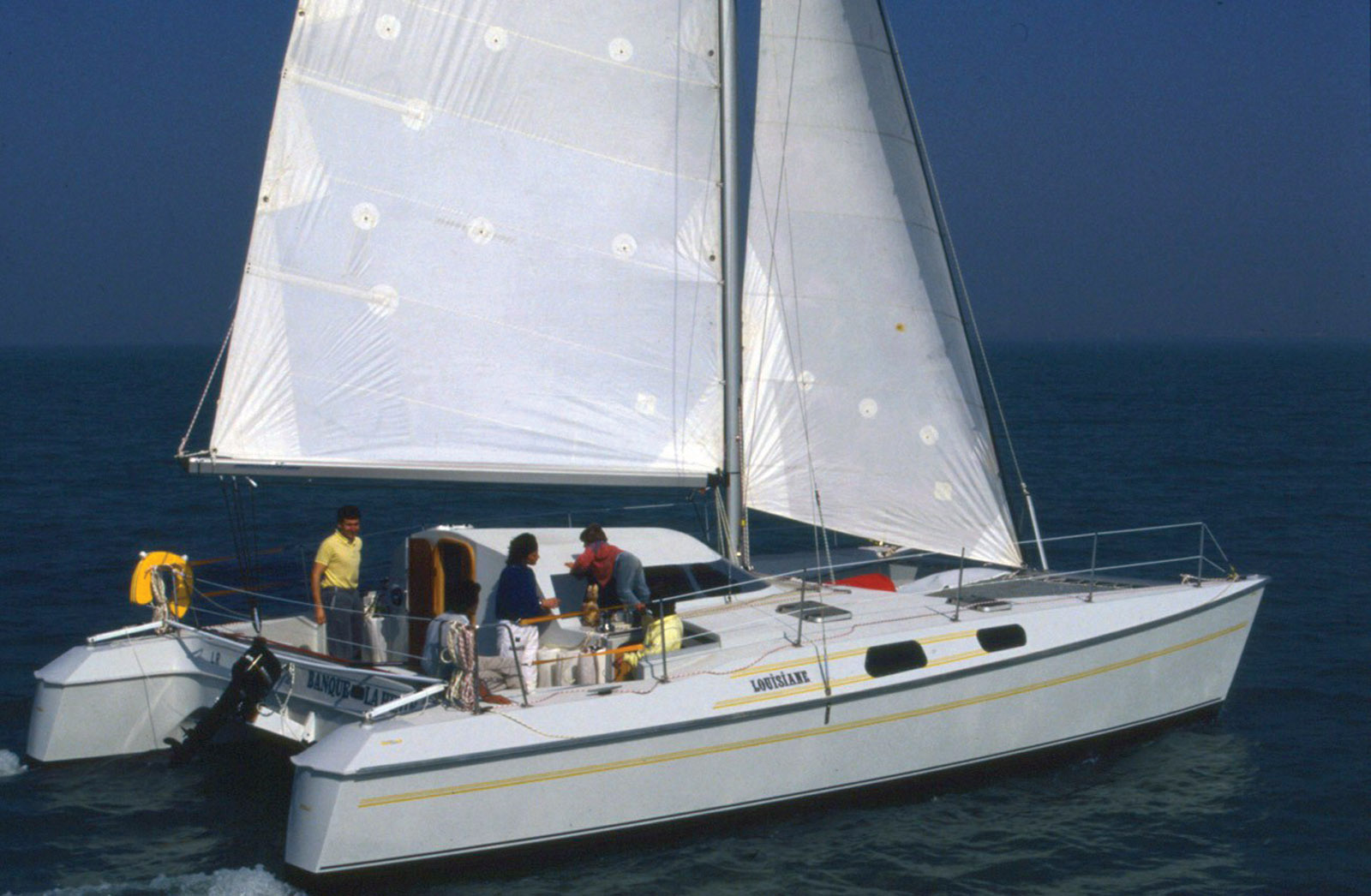
As we have seen, British boatbuilders were offering cruising catamarans from very early on… but it was the French naval architect duo Joubert and Nivelt who designed the first modern cruising multihull. Their Louisiane, being considerably beamier than the boats of the time, was more comfortable to live aboard, but also faster because it was lighter and had a larger sail area.
1985 – Central Bow
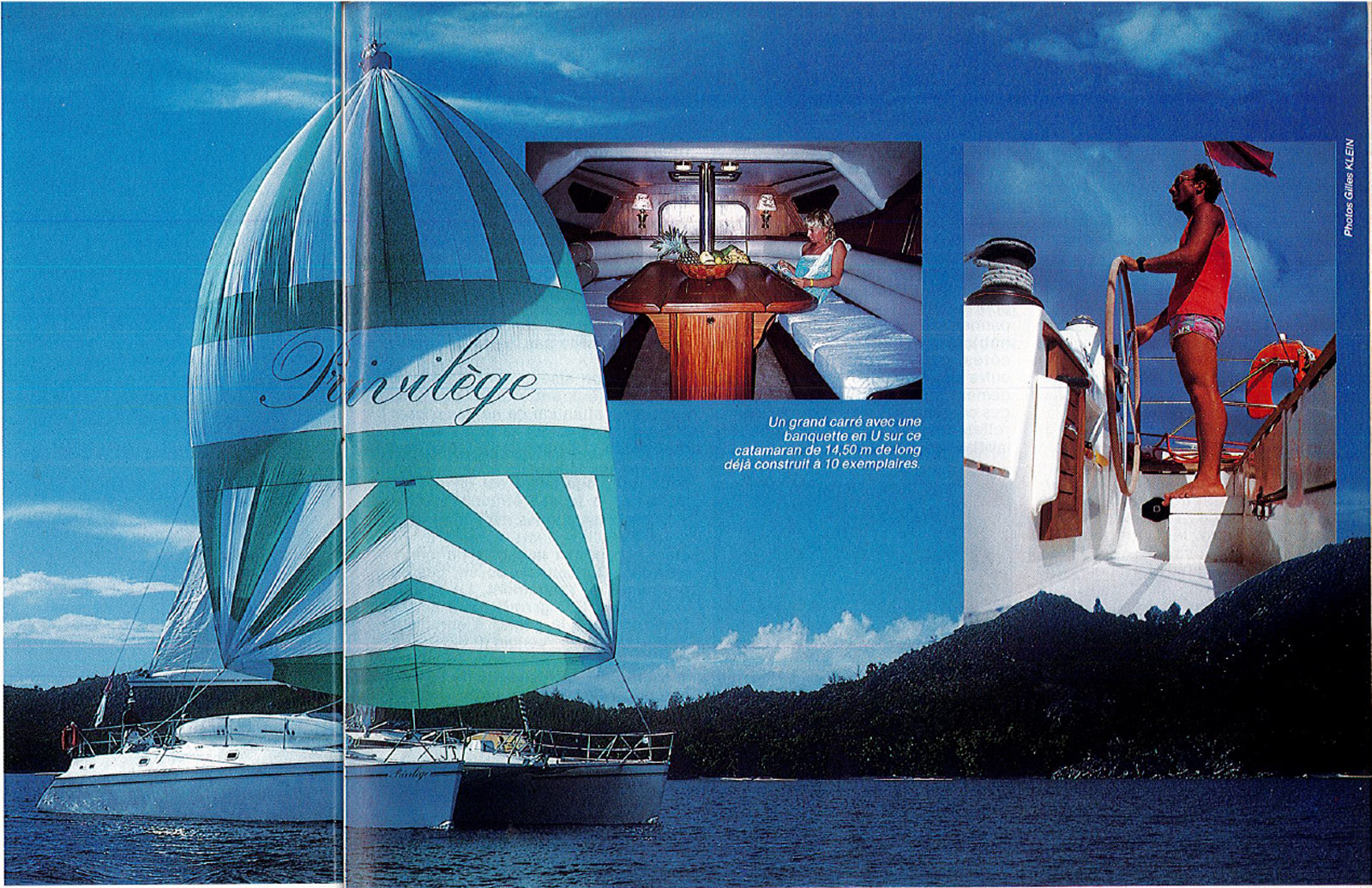
The first catamaran in the Privilège range was the 14.70, featuring a sort of third central hull capable of accommodating an owner's cabin. The design has never been abandoned by the builder from Les Sables-d'Olonne on France’s Atlantic coast. O'Yachts revived the idea of this central hull in 2016 on the Class 6. Many power catamaran builders have adopted the idea of a "through-hull" owner's cabin but simply occupying the nacelle floor.
1992 – Coachroof Overhang
Venezia 42 Test in MW15 and 190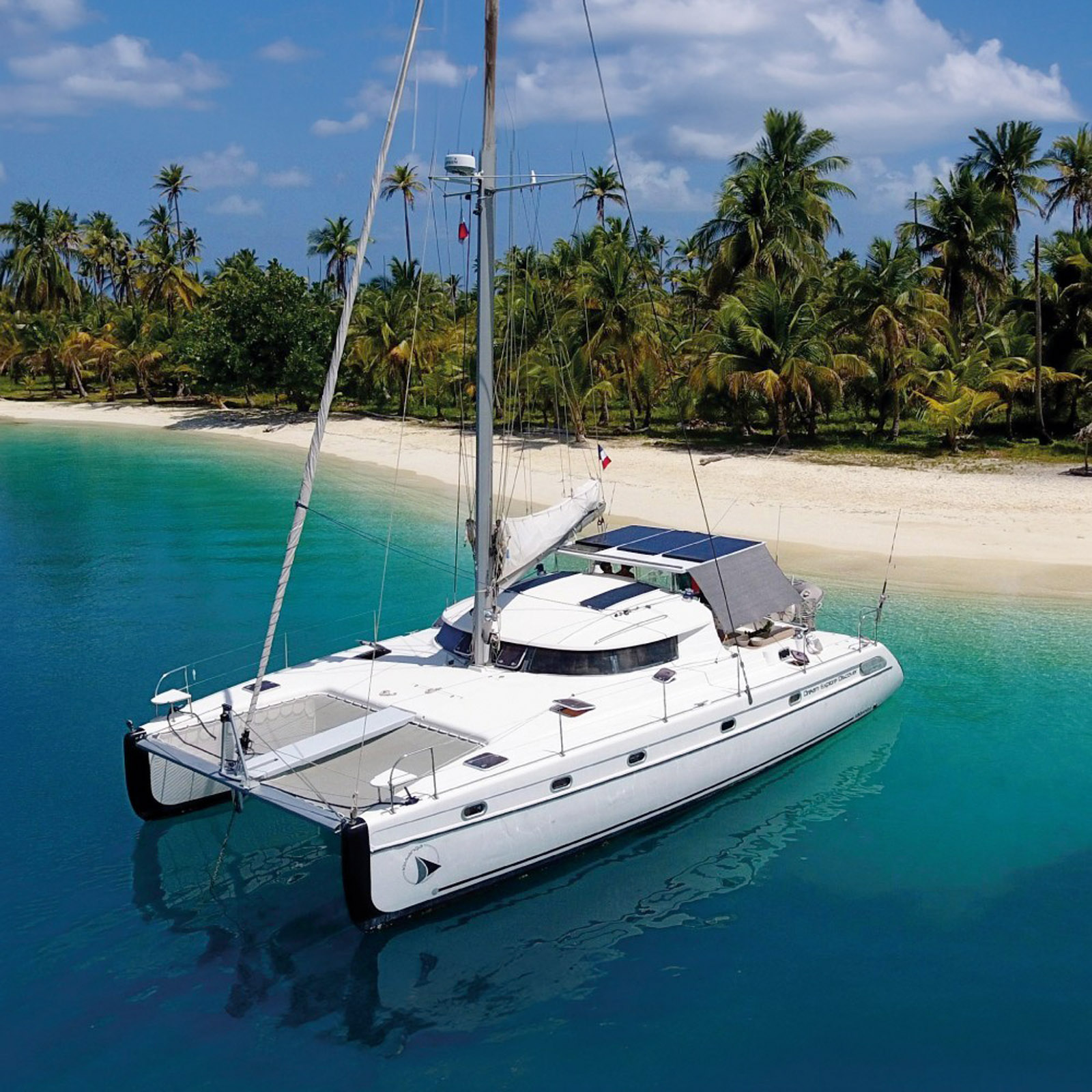
Fountaine Pajot launched its Venezia 42 and unveils an overhanging coachroof. This extension, which protects the cockpit from the harshest rays of the sun, has become one of the brand's signature features. Later, this aesthetically pleasing extension also allowed for the integration of a handrail and even a water recovery system.
1997 – Vertical Portholes
Lagoon 410 Test in MW36, 67, 84 and 127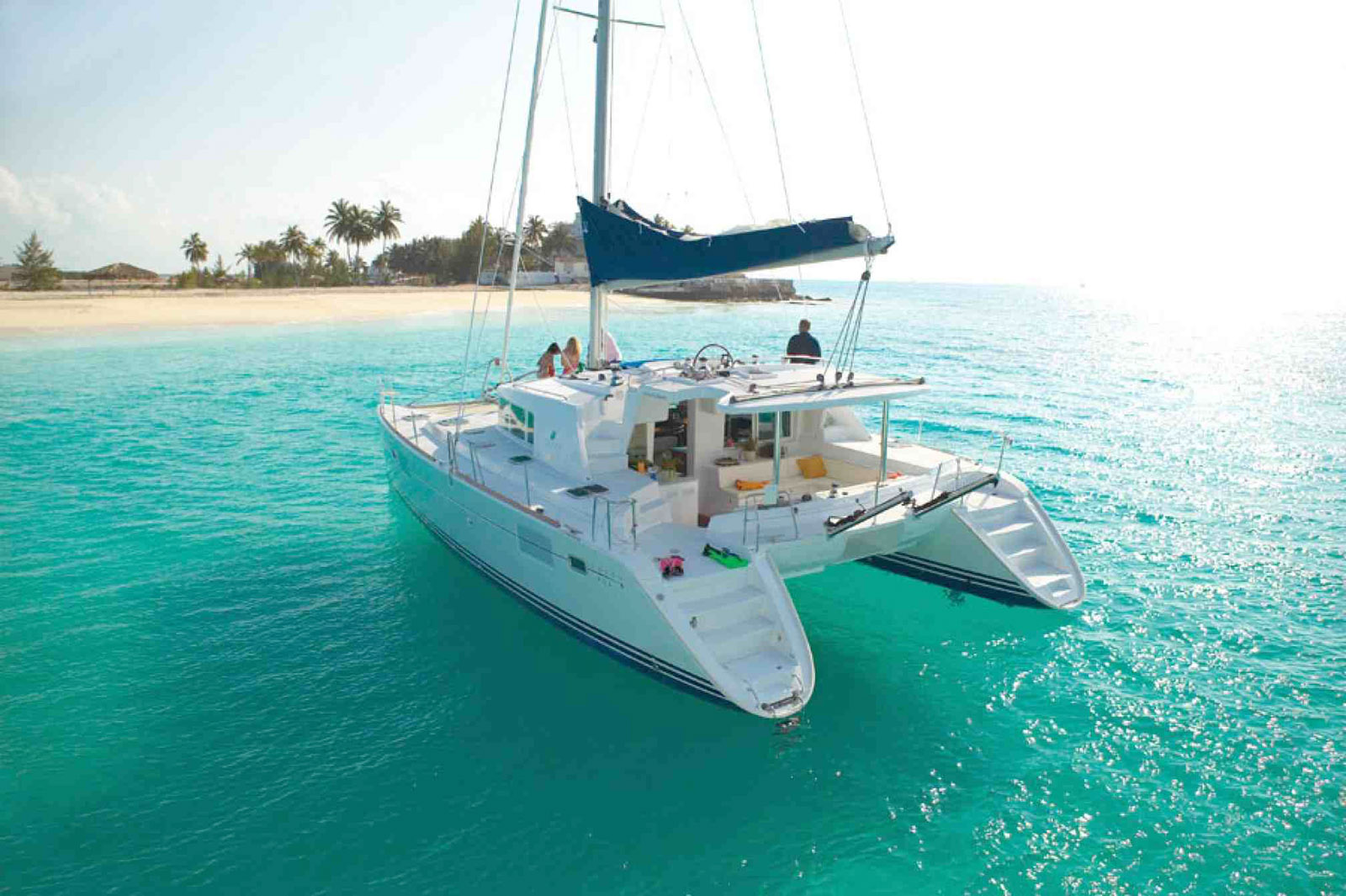 The vertical portholes of the Lagoon 410 lay the foundation for the DNA of the builder that would become the world's number one and for the collaboration with the naval architecture firm VPLP. Inspired by utility vessels, these large windows optimize panoramic views, limit the greenhouse effect, and offer more volume. One drawback: the windage of the coachroof is greater.
2000 – Rigid Bimini
Nautitech 40 Test in MW76 and 127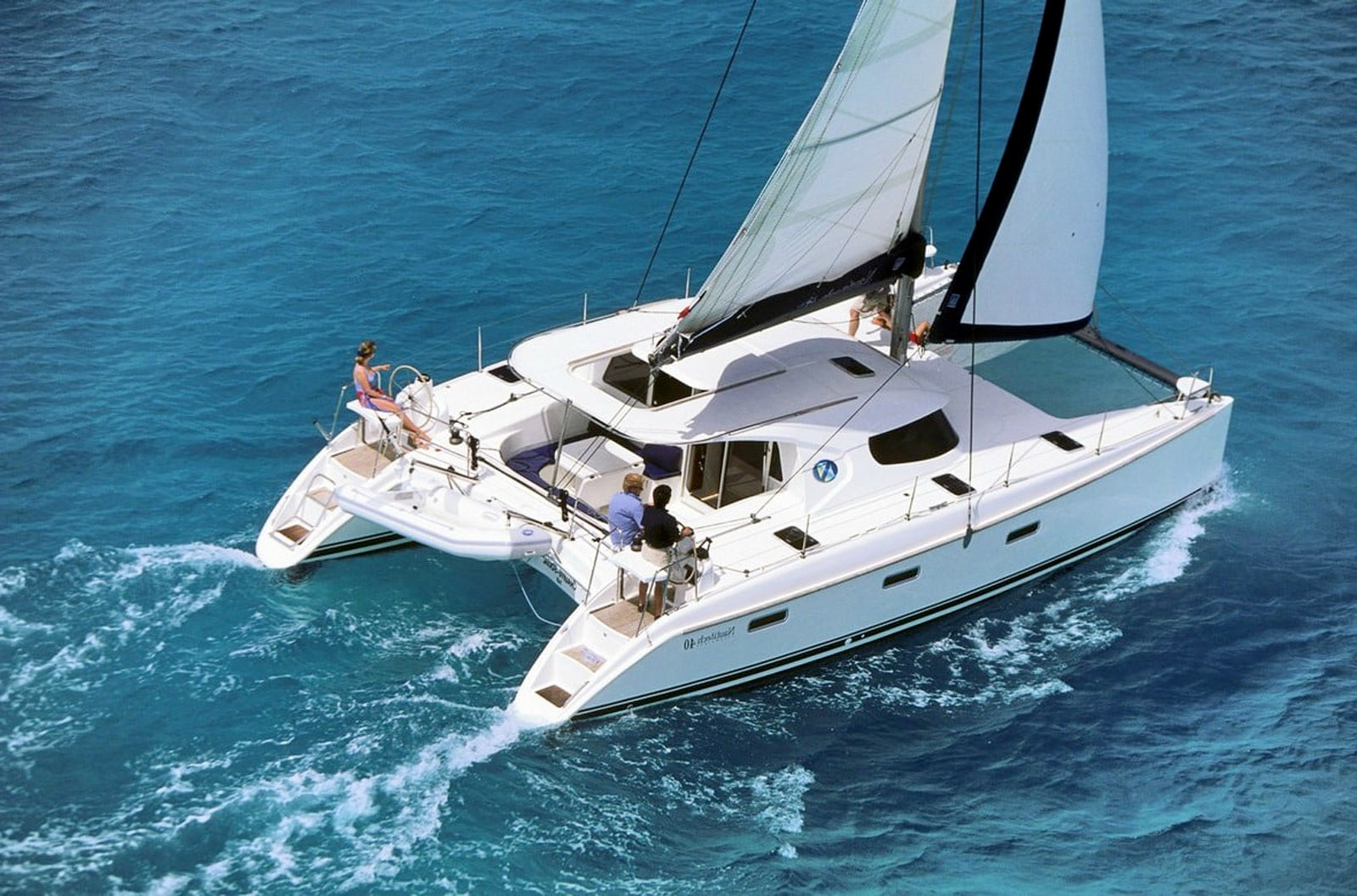
The Nautitech 40 was equipped with a rigid bimini - this remains a discreet extension of the coachroof and features a retractable sunroof. This design would become a standard and advantageously replace the fabric covers that were offered as options in the 1990s. Thirty years ago, it was common to see a catamaran with an "open" cockpit, as was the case for even longer on cruising monohulls.
2003 – Forward Cockpit
Lagoon Power 43 Test in MW57 and in this issue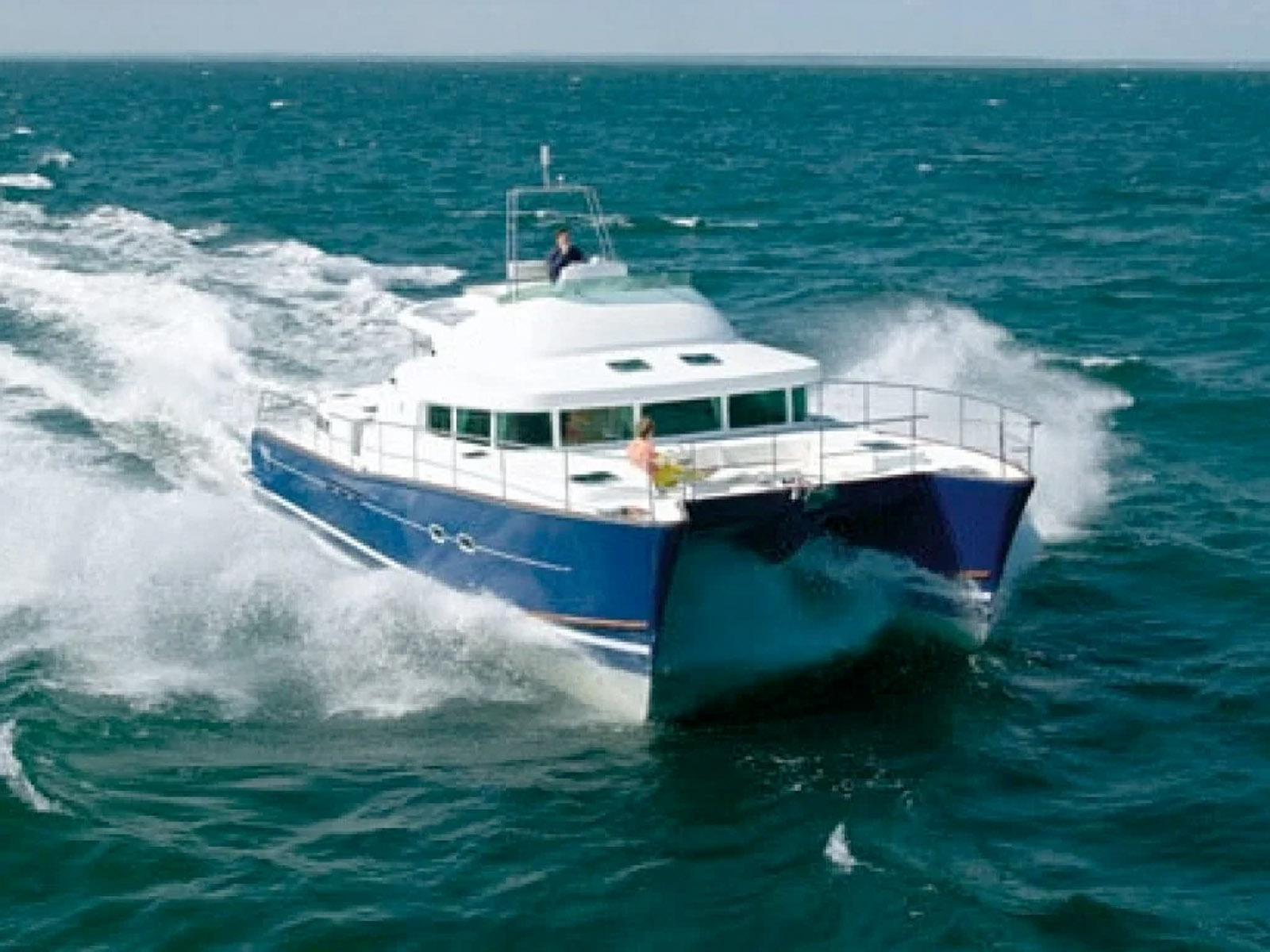 The Lagoon Power 43 was the first multihull under 60 feet to incorporate a true forward cockpit. In the sailboat world, trampolines have held out (and still hold out on board performance-oriented boats) for much longer. For cruising, having a forward cockpit is now considered a real advantage.
2004 – Flybridge
Lagoon 440 Test in MW76 and 132
The Lagoon 440 is the first multihull under 50 feet to offer a flybridge. While still somewhat basic, with a large forward-facing bench seat and a rather low boom, it clearly signaled the beginning of a growing trend. Today, some 40-foot catamarans like the Bali CatSpace offer a flybridge – but this size seems to be considered a limitation by naval architects and builders. Below 40 feet, there are no flybridges – except for powercats like the V1100 Discovery or the Aventura 38 Fly.
2006 – Hybrid Propulsion and Flush-decked Nacelle
Lagoon 420 Test in MW91 and 183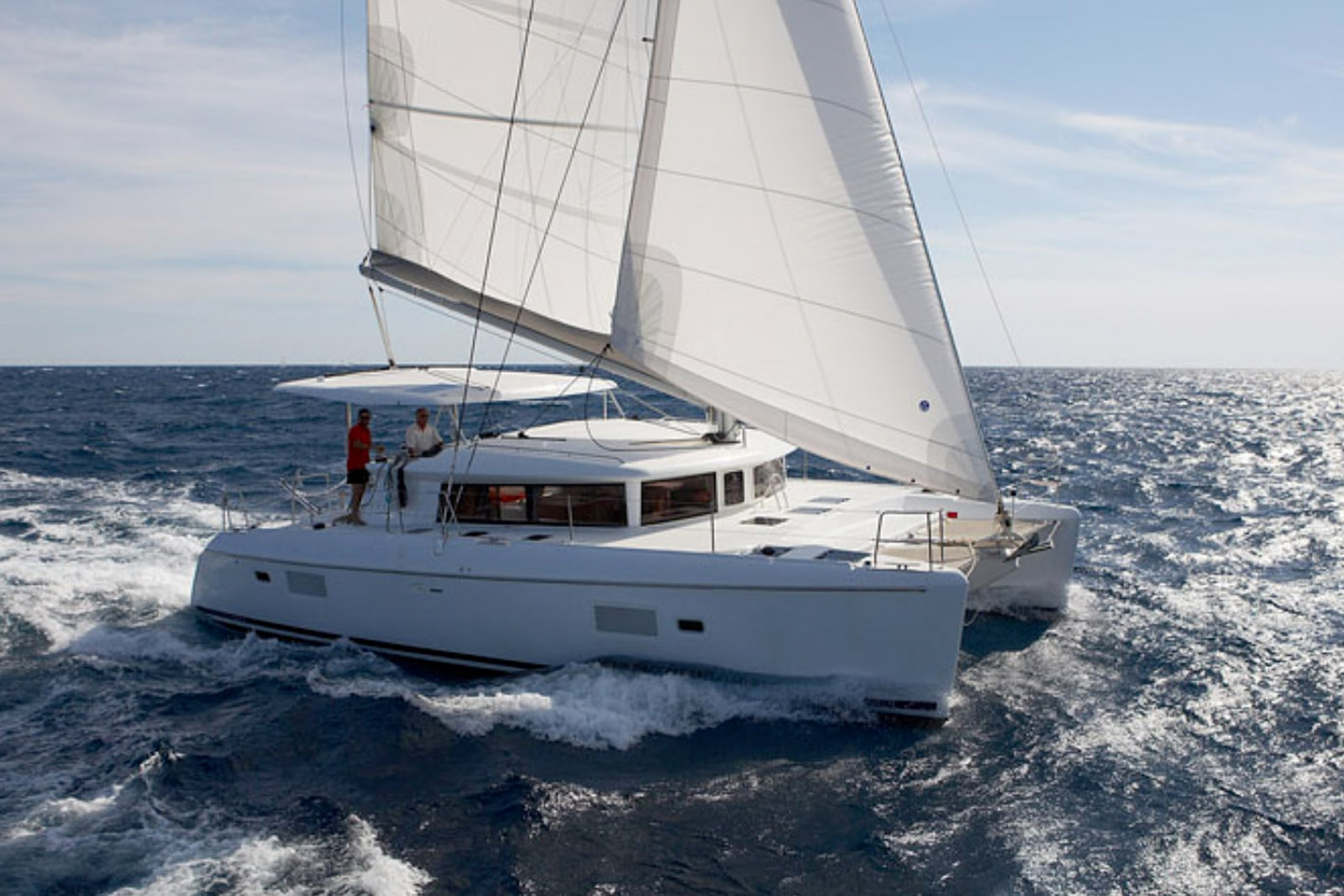
The Lagoon 420 was the first hybrid production catamaran. There wasn't even a combustion engine version available! Unfortunately, while the concept was excellent, the technology wasn't yet up to par, and hulls 1 through 100, with the exception of two, were re-engined with diesel power after the first year of production. This catamaran was also the first to eliminate the door threshold and offer, in this size category, forward berths installed athwartships.
2009 – Dual Helm Station and Controls
Galathea 65 Test in MW117
Helia 44 Test in MW127 and 170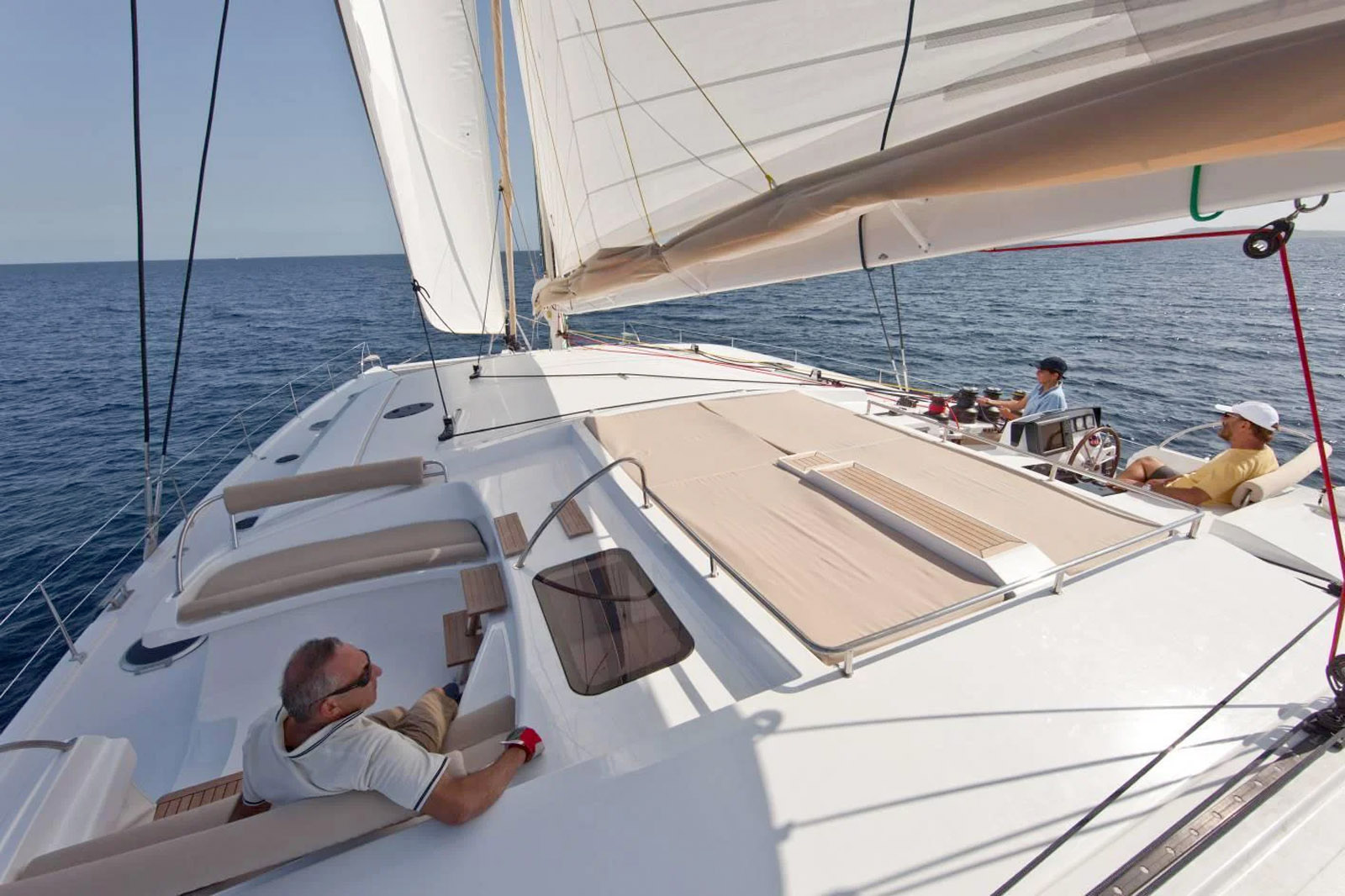 The Galathea 65 and then the Helia 44 introduced a sail maneuvering station complemented by a helm station just behind it. This design would gradually be adopted on all Fountaine Pajot models (except those equipped with a flybridge). Curiously, with the exception of Aventura Yachts, other manufacturers have never adopted this ergonomic layout, despite its popularity with users.
2010 – Forward Door
Leopard 44 Test in MW123 and MW159
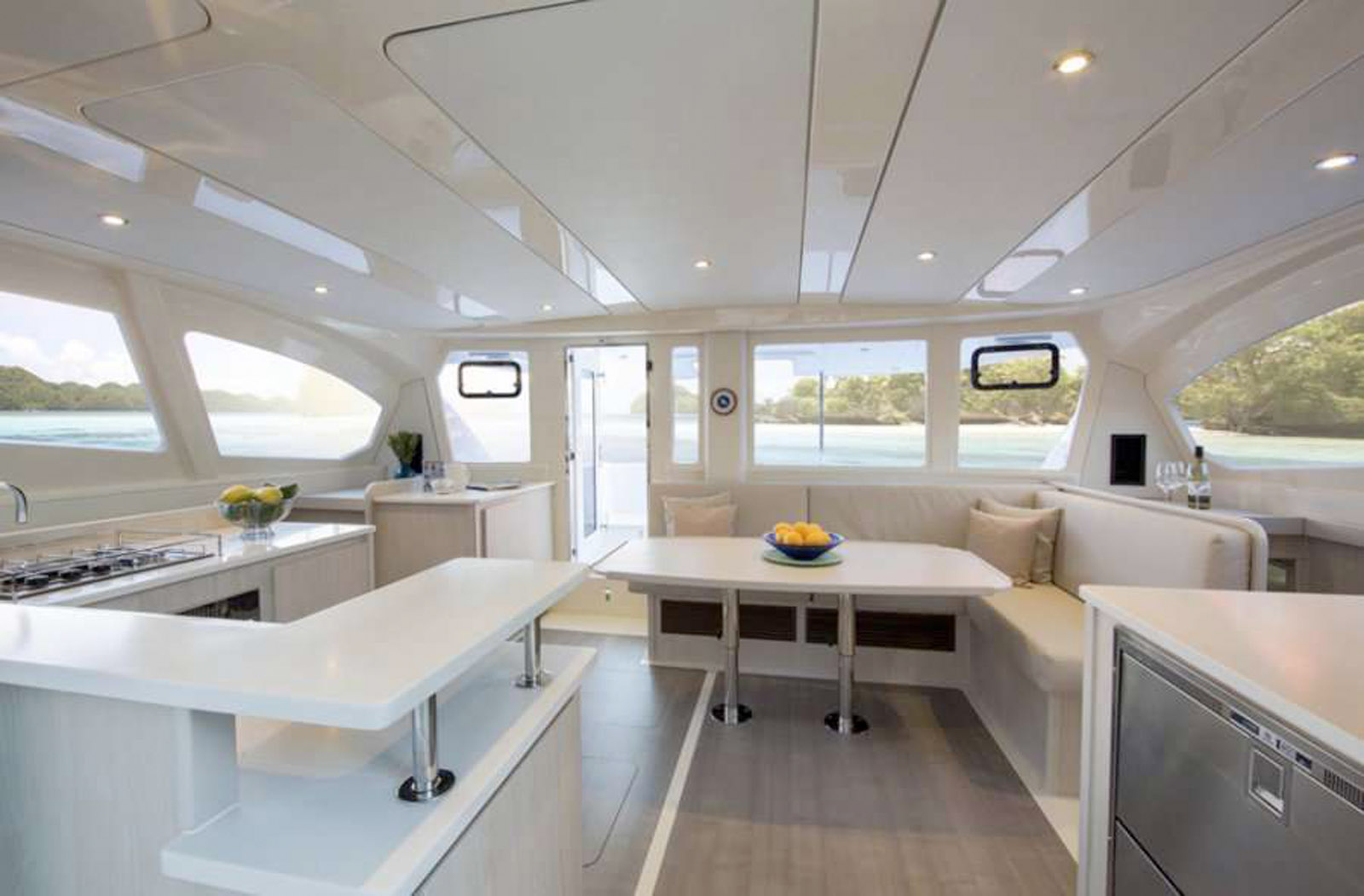 While forward doors had long been a feature on very large vessels, it was the Leopard 44 that truly made them standard on our cruising catamarans. That was in 2010, and we remember it well! Criticism rained down, and ultimately, of the 3,000 Leopards built, 2,200 were equipped with them. Designed a little earlier… but launched later than the Leopard 44, Pierre Delion's SC48 also offered a forward door and a single-level aft cockpit/nacelle/forward cockpit area.
2011 – Wide Nacelle on a Trimaran
Neel 45 Test in MW124 and 184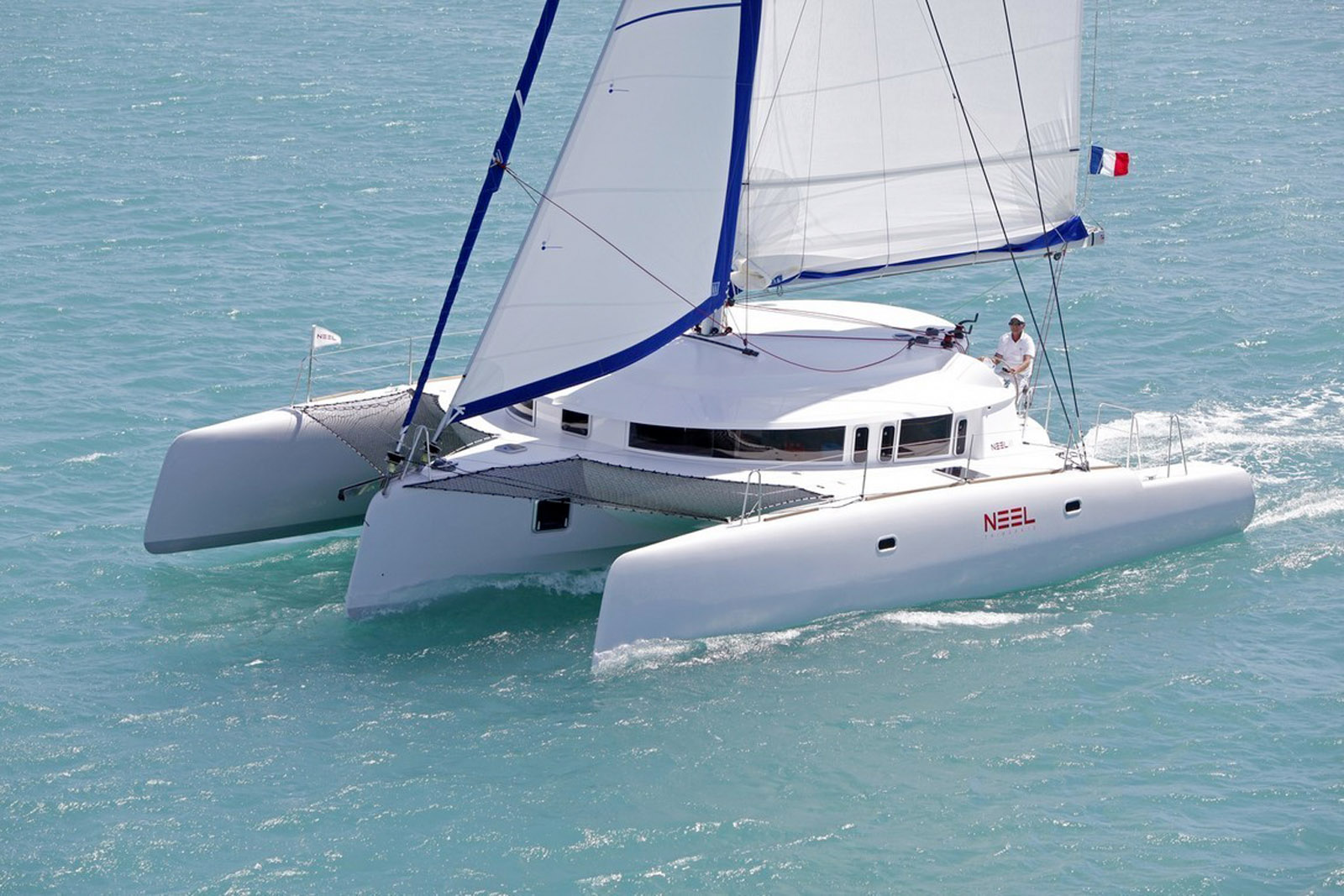
The Neel 45 was the first modern trimaran to offer a wide nacelle on an extended deck. This model was also the first multihull offered by Neel Trimarans – after the Neel 50, which served as a prototype. As detailed above, this concept of a wide cockpit on three hulls had, however, already been developed in the late 1960s with, among others, the American Telstar.
2013 – Open-plan Interior/Exterior Space
Nautitech 40#2 Test in MW136 and 158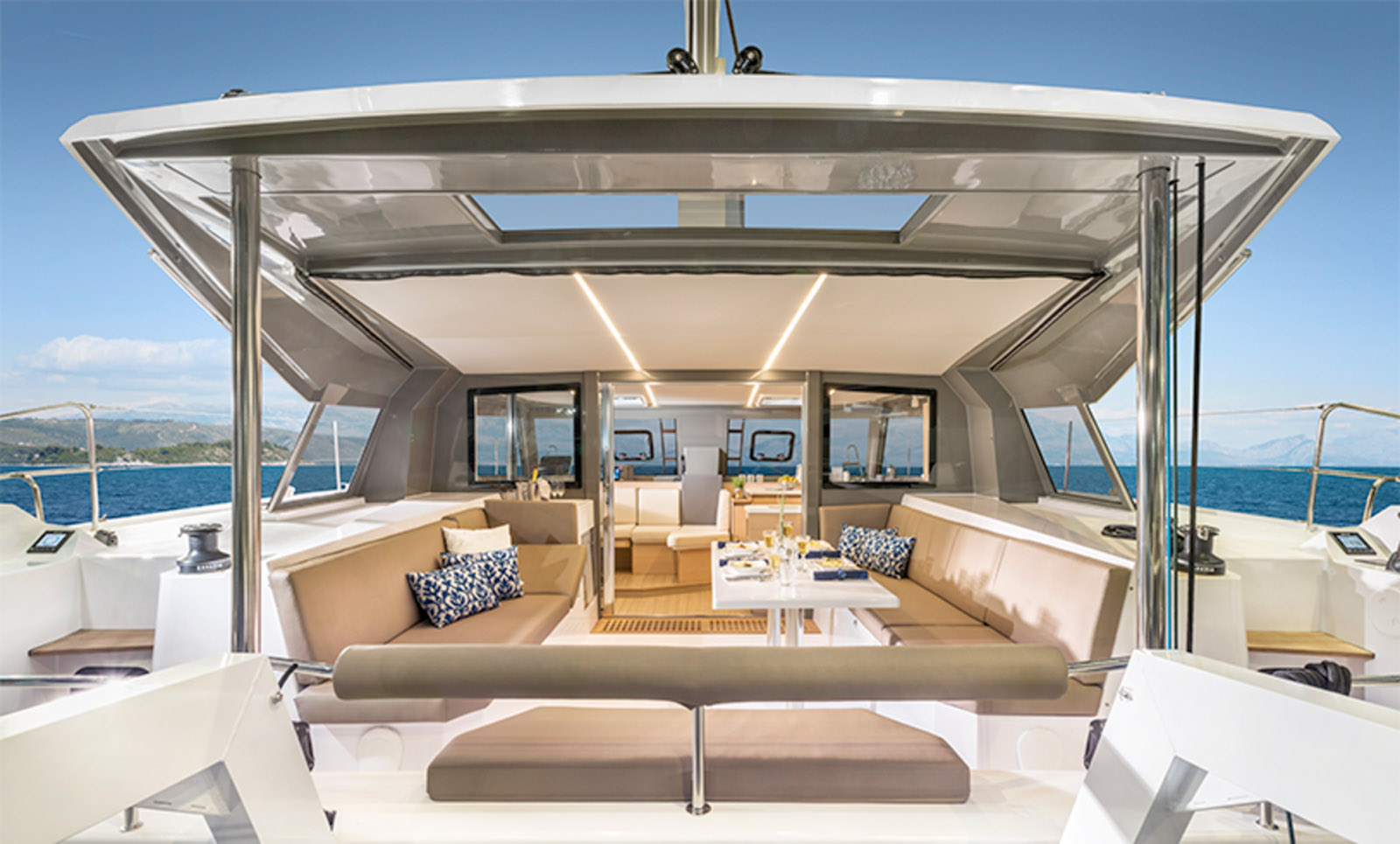
The Nautitech 40#2 was nothing like the model that made us appreciate the rigid bimini, but was innovative in its own right, having introduced a new concept by pushing the saloon… into the cockpit. The open-plan space can be protected by canvas enclosures. Note: the production run of this Nautitech 40#2, of which nearly 250 were built, has just ended: It lasted 12 years, roughly the same as the first 40…
2014 – Forward Deck, Up-and-over Door: The Bali Revolution
Bali 4.5 Test in MW139 and 157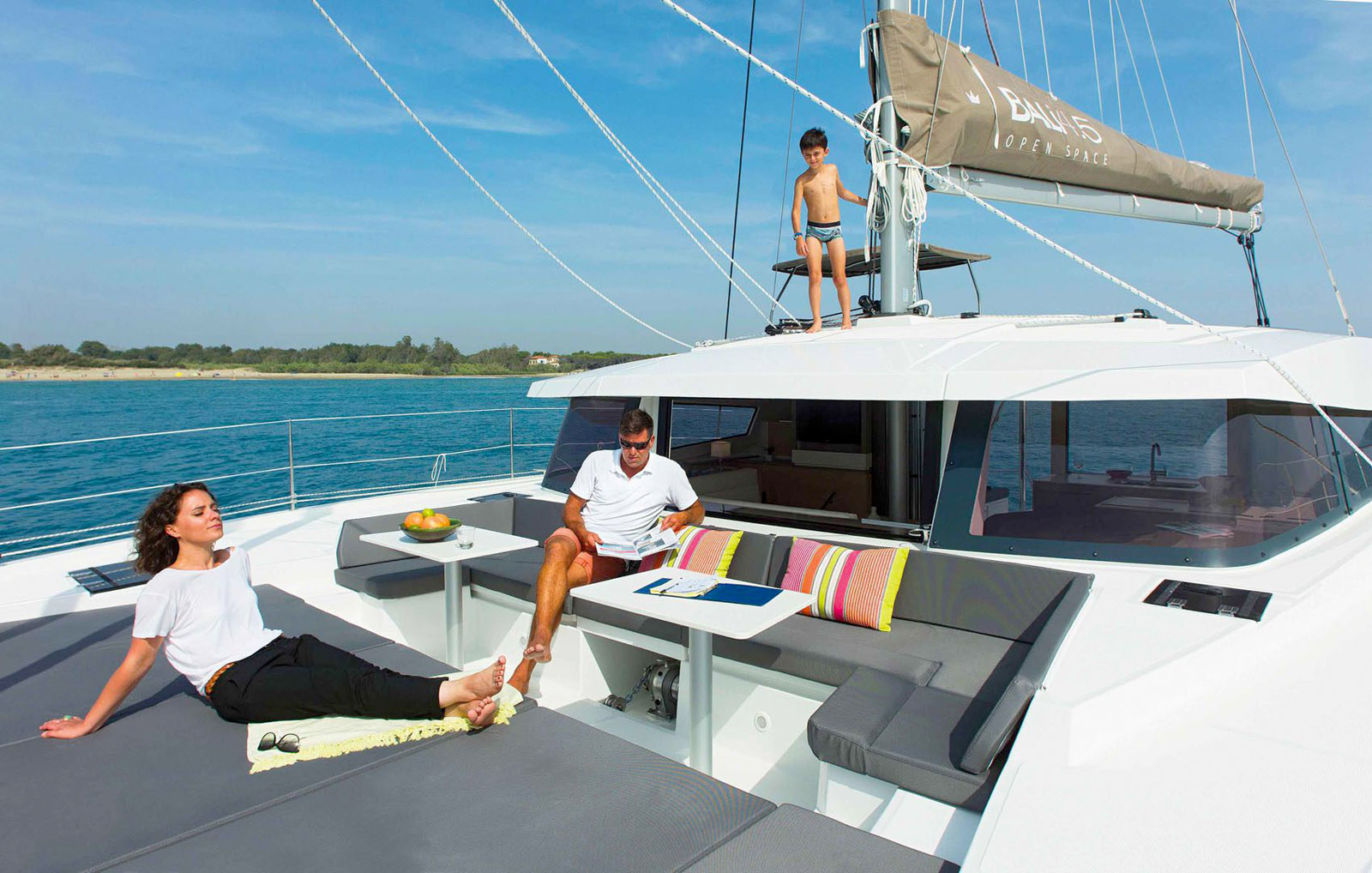 With its Bali 4.5, Catana Group permanently shook up the market with its solid foredeck. The idea was now to sell square feet at the best price – and it works! Very quickly, a large up-and-over door was installed on board the Bali and the interior/exterior space became modular. Let it be known: Bali's uncomplicated approach to cruising has become a much-followed example…
2015 – Production Foiling Catamaran
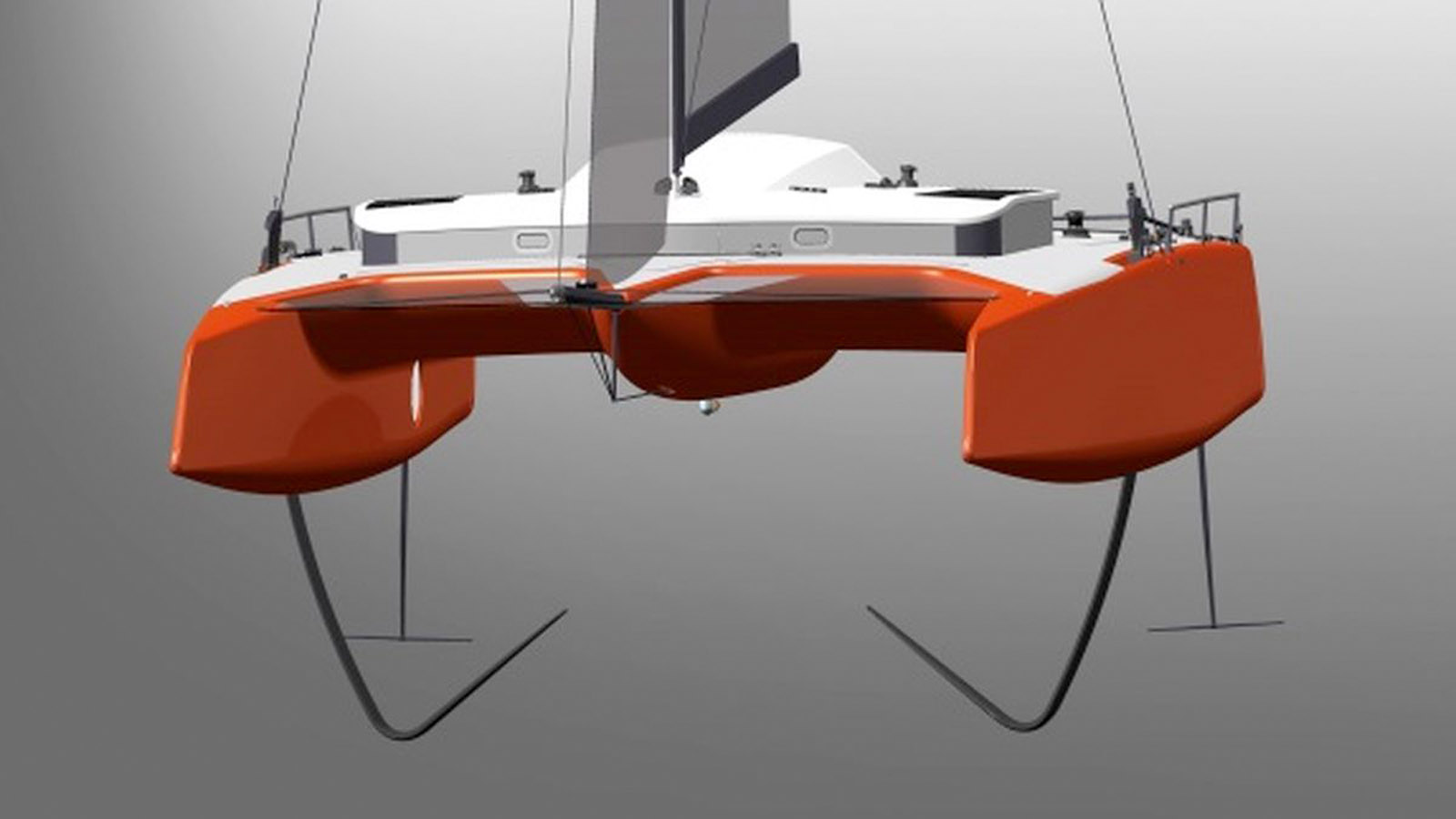 The Gunboat G4, built in the Netherlands, is the first production-built cruising foiling multihull. Its handling requires solid knowledge and good flying experience, as the craft is particularly agile due to its light weight. But thrills are guaranteed!
2018 – Electric Aft Platform
Astrea 42 Test in MW161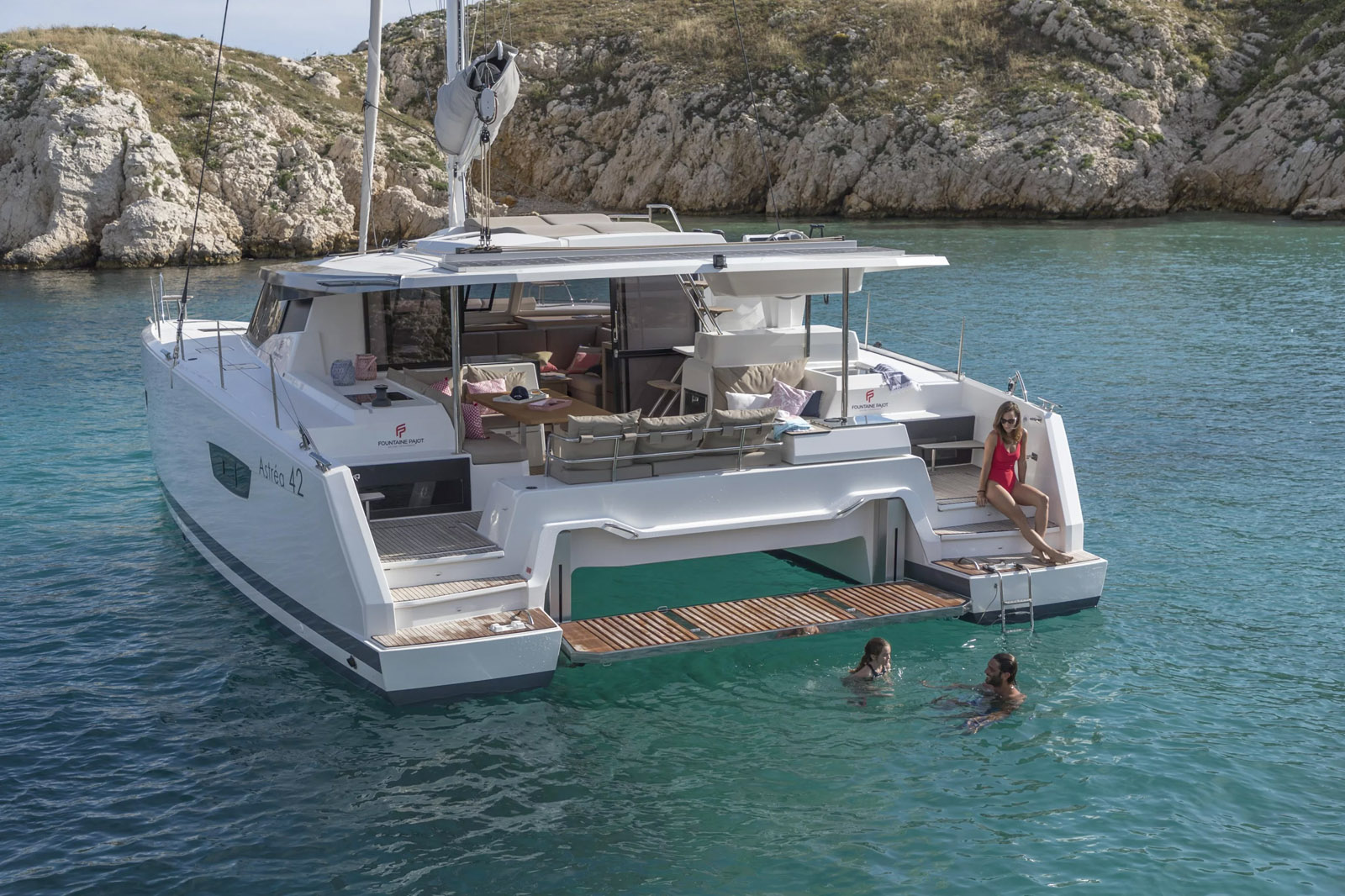
Electric platforms are found aboard all large multiyachts, but it wasn't so simple for builders of smaller vessels to integrate them – despite customer demand. Added weight, high price, and reliability were all parameters to consider. The Astrea 42 was the first catamaran under 60 feet to offer the long-awaited platform – an option now almost universal across the multihull market.
2021 – Eco-friendly Multihull
Windelo 50 test in MWSI16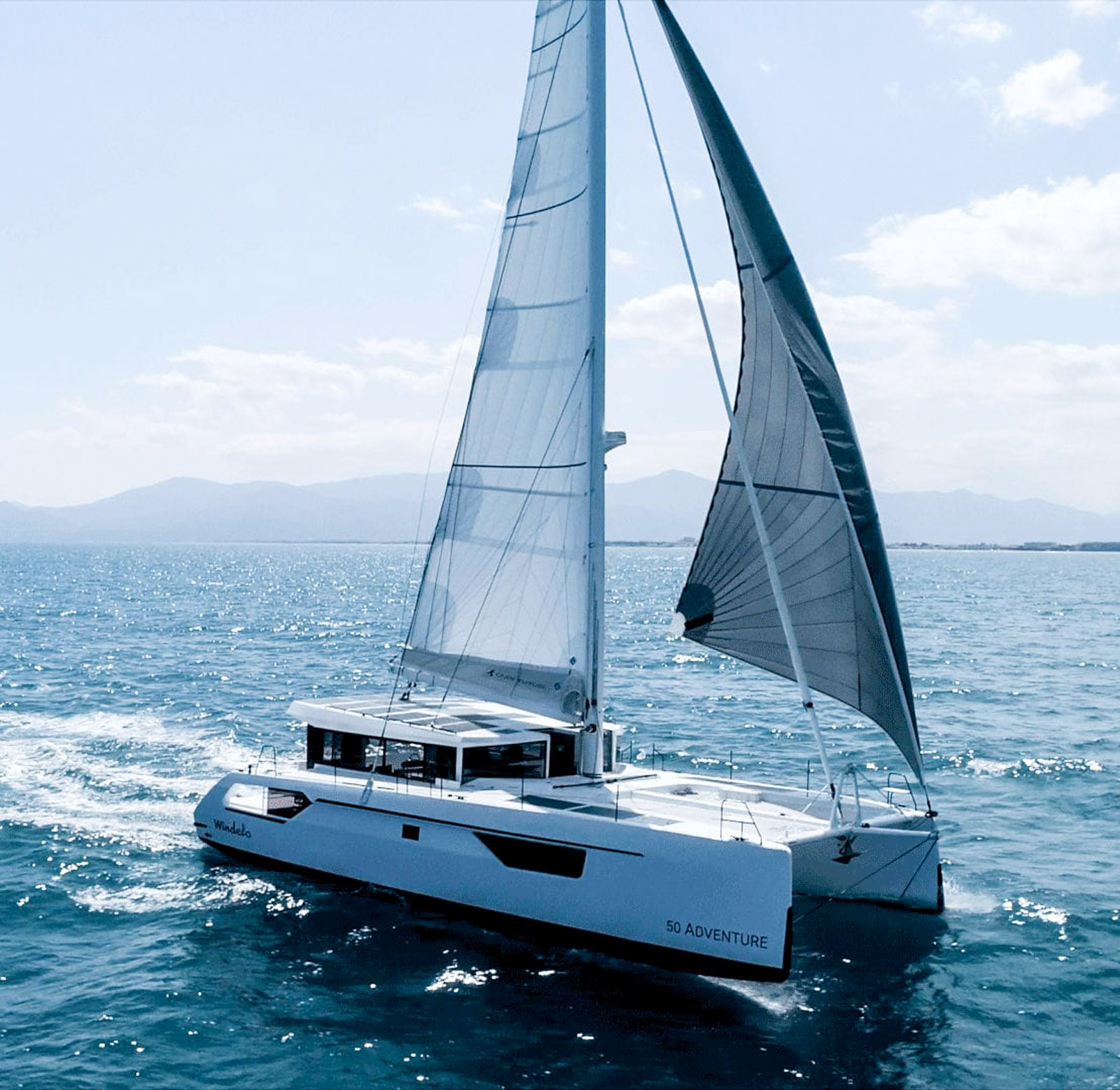 The Windelo 50 was the first multihull designed entirely as an eco-friendly product, both in terms of construction, by incorporating an eco-friendly composite made from basalt fiber and PET foam, and in terms of use, thanks to the adoption of a powerful sail plan combined with hybrid propulsion. Since then, other manufacturers have positioned themselves in this niche, such as Vaan Yachts.
2025 – Smart Rigging
MODX70 Test in MWSI24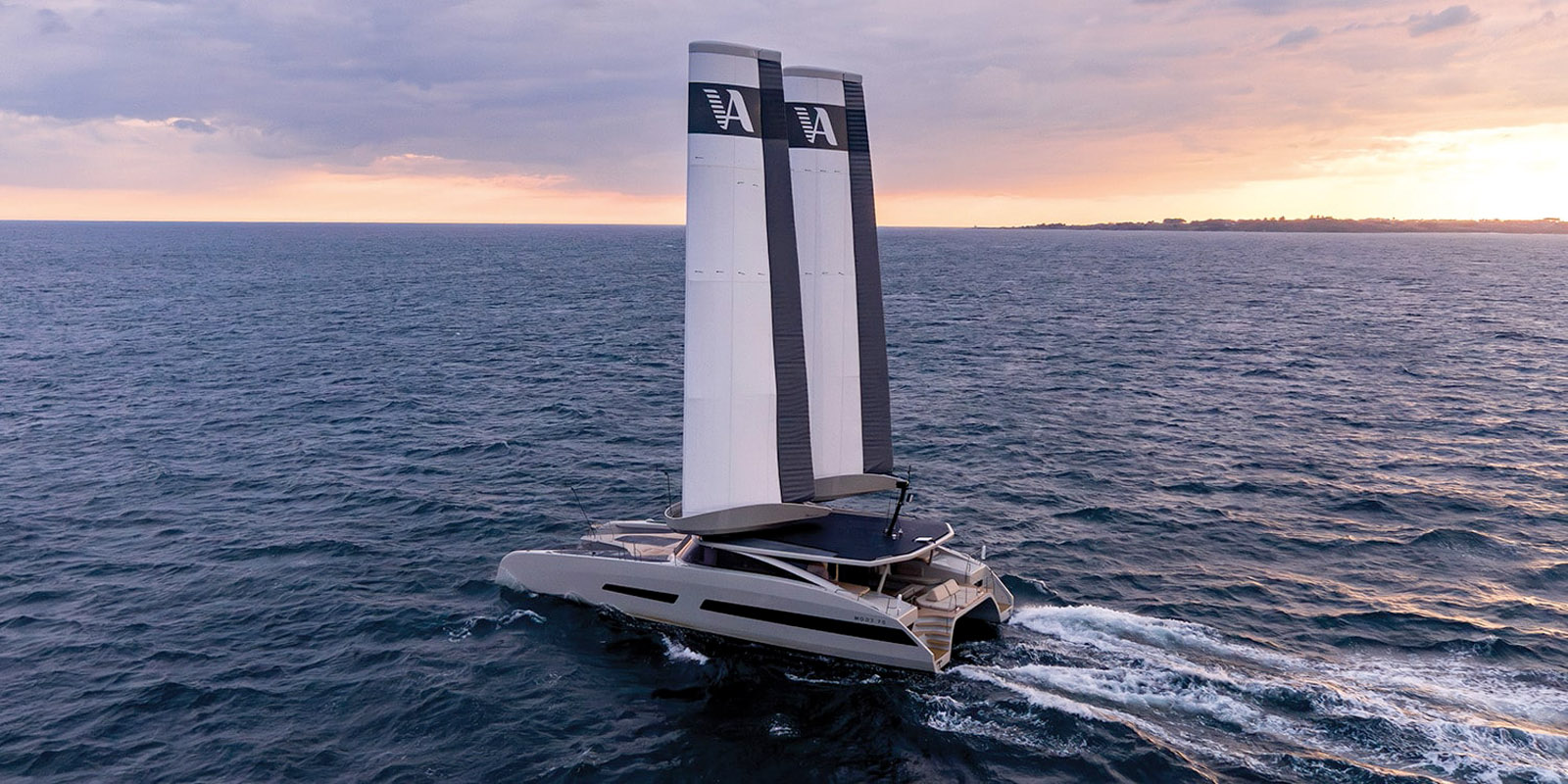
With its retractable and inflatable rig, the MODX70 offers a unique experience by automating all the wing (not sail) deployment and adjustment systems. Last year, this catamaran sailed over 3,000 nautical miles to make its world premiere in La Grande-Motte, thus validating its ultra-futuristic technology that even eliminates the need for a generator.
2026 – New Coachroof Arches
Aquila 50 Sail Test in MW207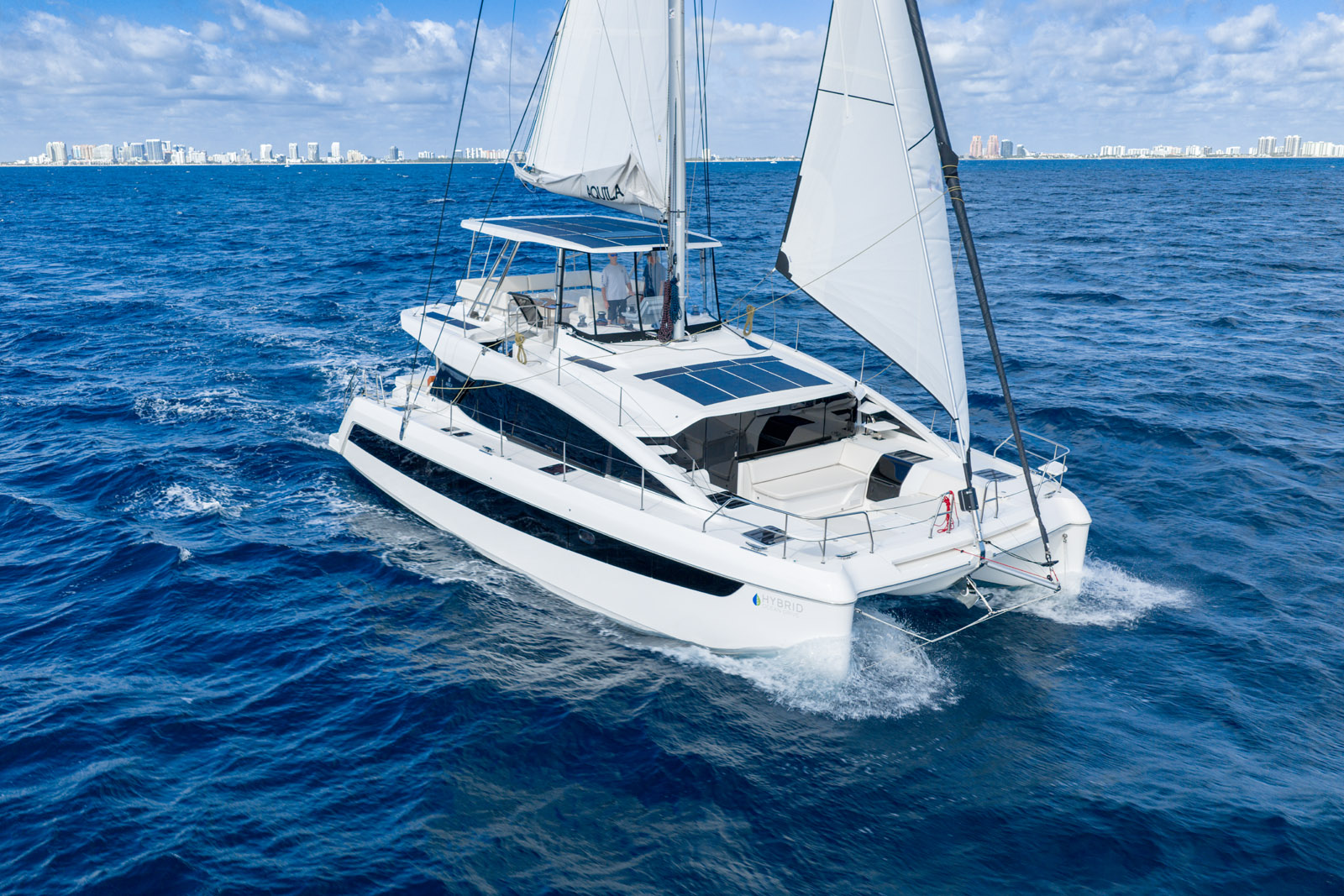
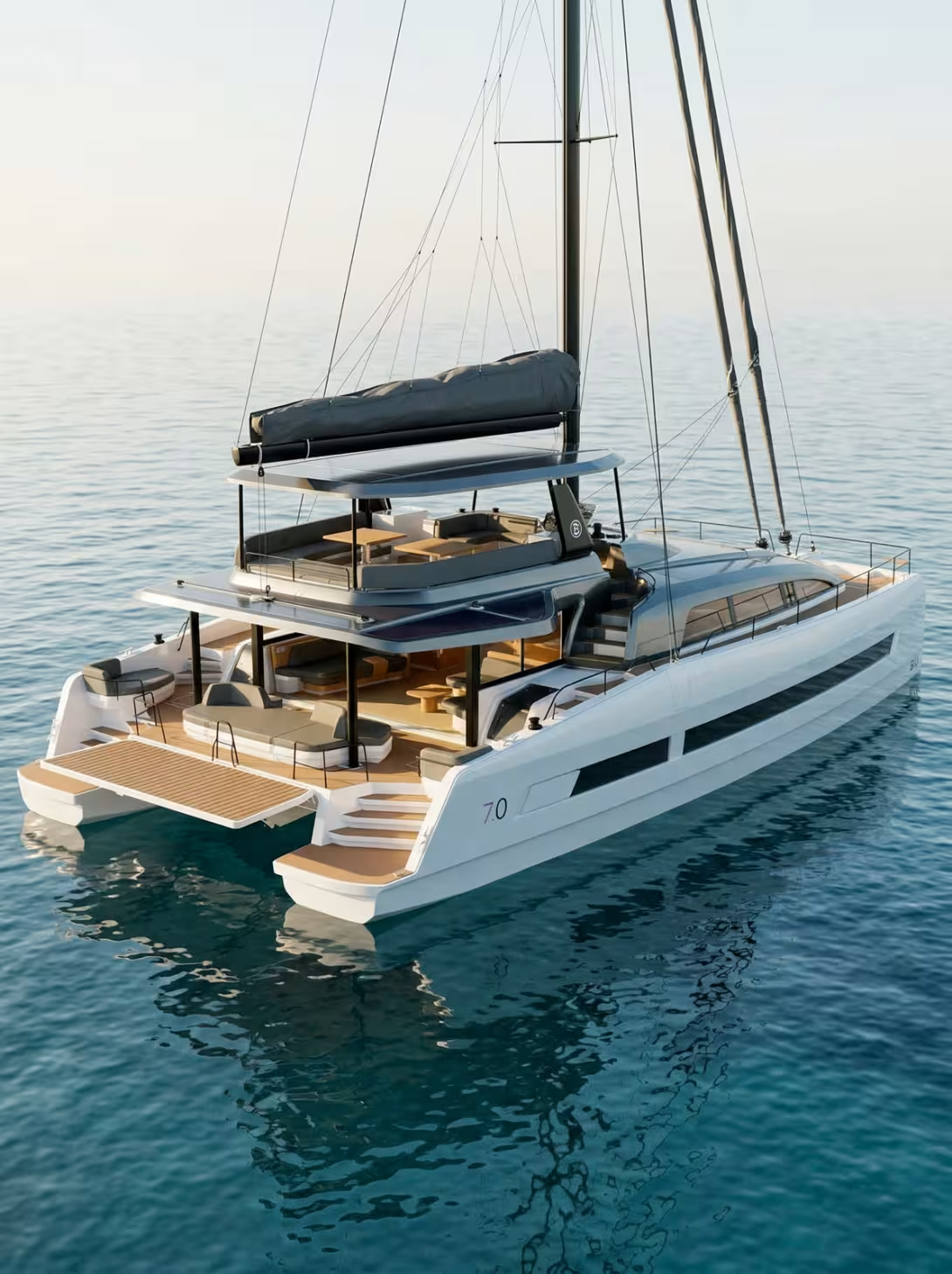
Coachroofs with a vertical front and side arches were developed for the Privilège, Leopard, and Outremer… but this year’s designs herald much more forward-set nacelles, like those of the upcoming Bali 7.0, and even some equipped with flybridge access ramps such as the Aquila 50… is this the design of tomorrow?