New Powertrain
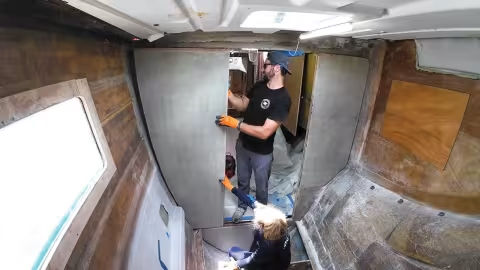
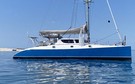
As anyone who’s been watching Raf and Sascha’s channel since the beginning of their multihull adventure will know, by the time they’d taken ownership of the hurricane-damaged Lagoon, both the original motors and one of the saildrives had been stolen. So, along with their restoration project needing a new rig, they were also going to have to figure out new mechanical propulsion.
Image

1
/
1
Published on 30/09/2026
Issue:
210
Published:
Dec.
/
Jan.
2026
Where: Grenada, West Indies
Multihull: Lagoon 450S
YouTube: @SpearItAnimal
One of their decisions involves not having a generator. Most of their electrical power will come from a large area of solar panels, as they had on their previous boat - a monohull, though obviously the available space on a multihull is much greater. But it’s not always all-day sunshine even in the tropics, so there’s going to need to be a certain amount of electrical “topping-up” required, and this will come from the alternators.
Running a diesel engine at low revs - as is typical at anchor - without much load on it will lead to a buildup of carbon deposits in the exhaust and glazing of the cylinder walls due to not all of the fuel being burnt efficiently. Because an alternator consumes relatively little horsepower, the bigger the engine, the smaller proportion of horsepower used to turn the alternator. So, engines that aren’t too big (to save unnecessary wear and tear), yet big enough to drive the 45-footer along on windless days.
Another critical factor is simplicity. Many of today’s diesel engines involve sophisticated electronics and computerized management systems. It’s great that you can stretch out on the trampoline and monitor everything via the app on your phone, but what if something goes wrong while anchored off some remote atoll in the Pacific? None of it is repairable by the average cruiser, and even if it were, spare parts in such places would be non-existent.
What Raf and Sascha need are motors that don’t rely on complicated electronics and that can be repaired either by themselves or by a local mechanic.
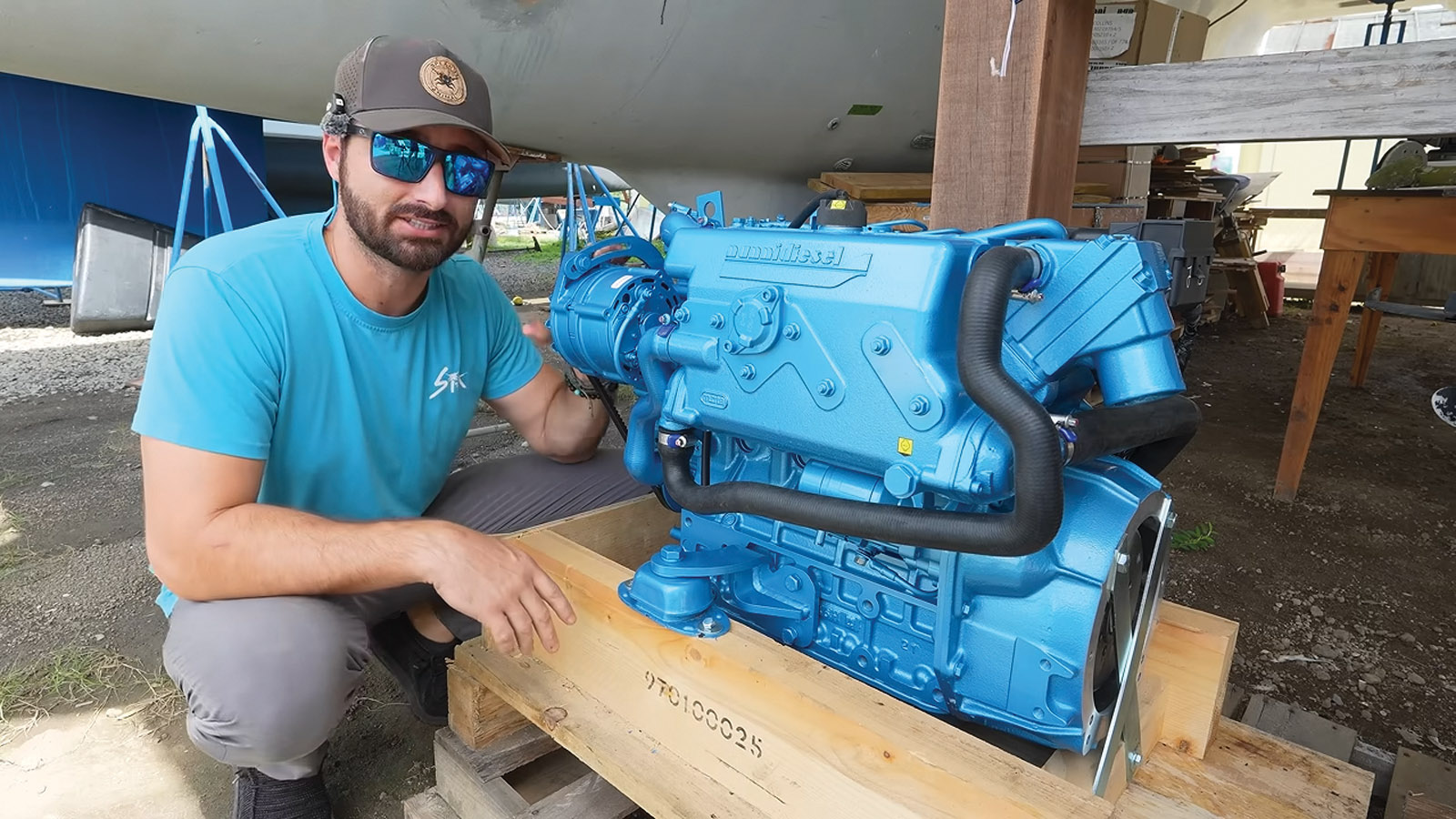
So what they’ve chosen is a pair of Nanni N4.50, 4-cylinder, 47.5 HP diesels with old-school mechanical fuel injection – no common-rail ECU-managed system here! Based on a proven Kubota block frequently used in farm equipment or construction industry applications, these motors can be serviced and repaired with basic tools. The perfect solution for heading off-grid.
But the best thing about the Nanni N4.50? They come already painted in “Spear-it-Animal Blue”!
We can look forward to them being installed in an upcoming episode.