Ilovent

Sailing Around South Africa, Against Wind and Current

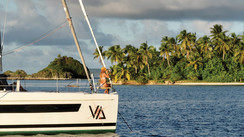
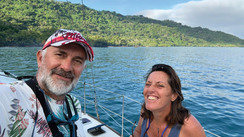
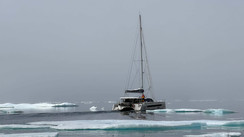
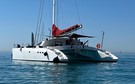
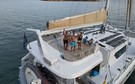
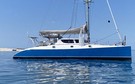
The crew of Ilovent continues their round-the-world voyage. After crossing the Indian Ocean, Fabienne and Jean-Charles encountered a real challenge ahead: rounding the southern tip of the African continent, and, to top it all off, rounding Cape Agulhas, also known as the Cape of Storms.

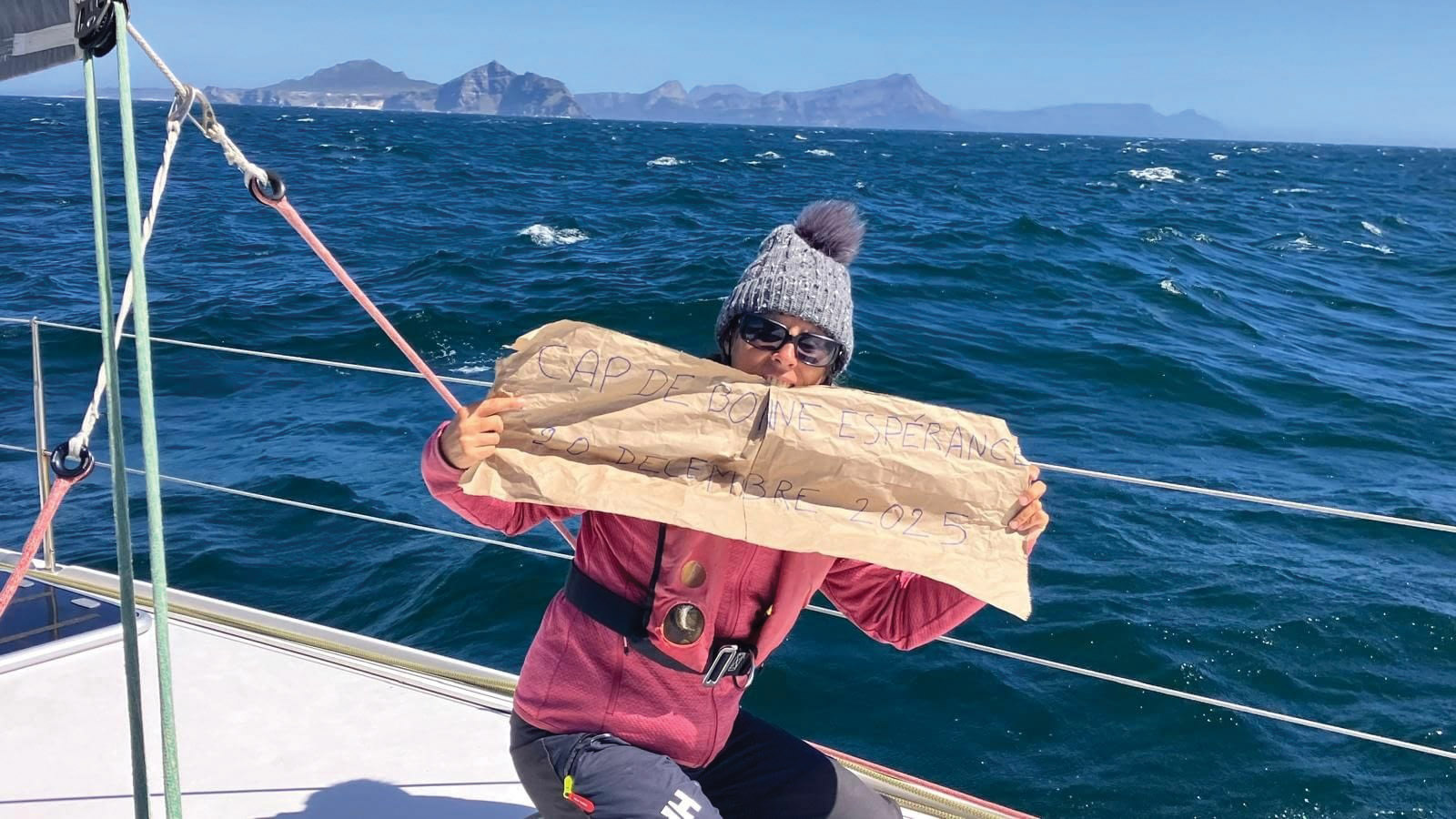
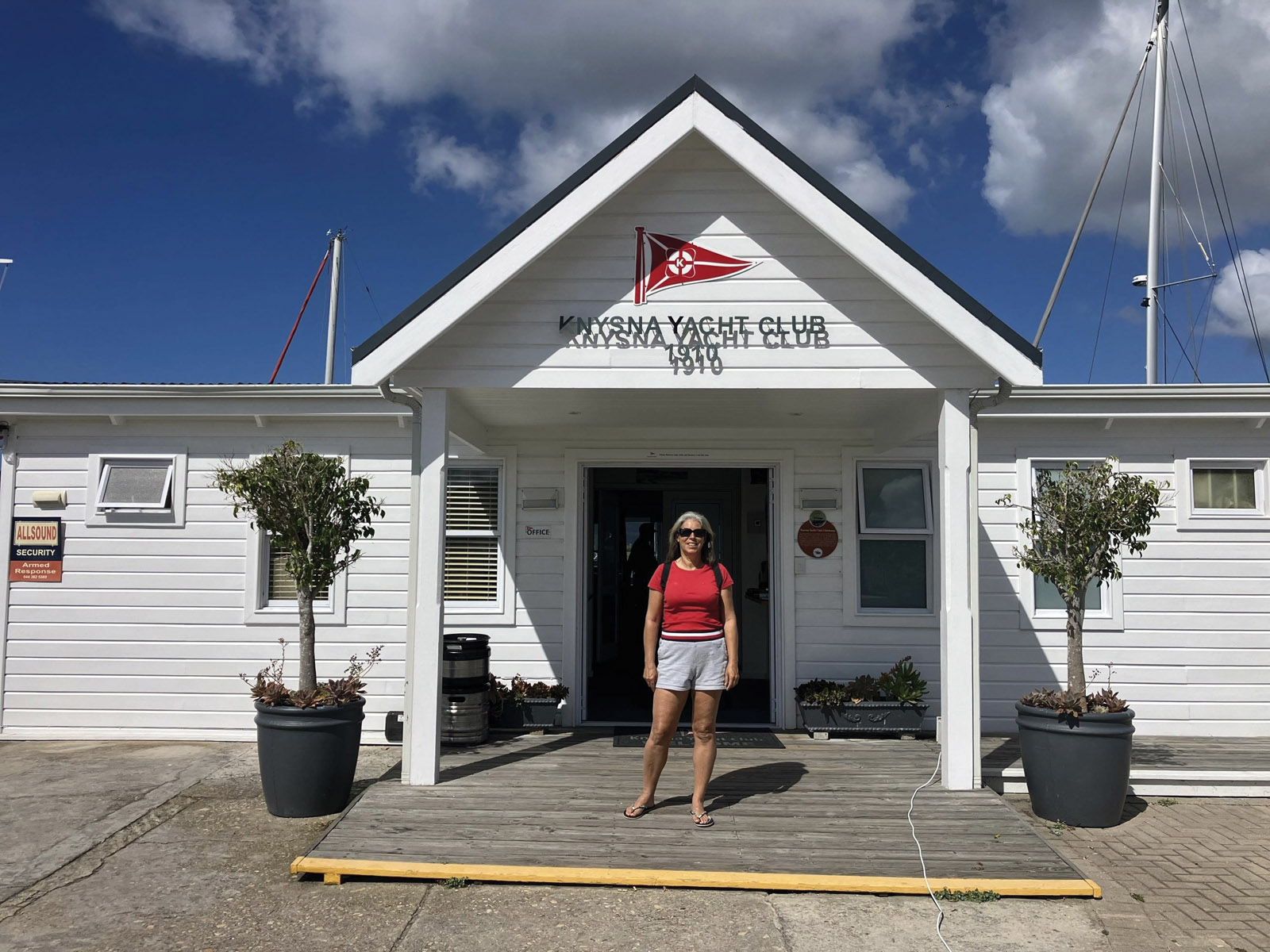
Eight hundred miles is the distance between Richards Bay, in eastern South Africa, and Cape Town, in the west. Based on our experience, our average daily speed aboard Ilovent is approximately 150 miles, or 6.25 knots. In theory, rounding this southern part of the continent should take us a little over five days. But given the geography and meteorology of this part of the world, with their unfortunate tendency to oppose our progress, several weeks would be required. To begin with, we are very far south in latitude, and the low-pressure systems circulating between Antarctica and southern Africa follow one another at a rate of one every two to five days. There are also the currents. The Agulhas Current, which runs along the coast of Africa from Durban to Port Elizabeth, is a veritable river in the sea. We experienced a flow of up to 6 knots. When the winds from these low-pressure systems meet the Agulhas Current, the waves that form can reach up to 50 feet (15 meters) in height: these are the infamous rogue waves. For an hour, we experienced a current of 4 knots and a headwind of 20 knots, conditions not predicted by the weather forecast during the journey between Durban and East London. The waves, almost vertical, quickly reached 10 feet (3 meters). Several times we thought everything was going to break. Fortunately, it didn’t last. Sailing round the bottom of Africa involves several stops: Richards Bay, Durban, East London, Knysna, and finally Hout Bay, south of Cape Town. Each departure proved rather stressful, as you have to pass through the weather window within the allotted time: 48 hours, not a minute more. When sailing in South Africa, it is strongly recommended to register with OSASA (www.osasa.org.za). Indeed, conditions can be very dangerous and deteriorate rapidly, and it is highly advisable to report your departure and arrival times in advance. At each stop, a network of volunteers from the association provides support, like Elmarie in Richards Bay, or Vince in Durban. In the other ports, the welcome from the yacht clubs was incredibly warm: Braai in East London, Mike with his expert advice on navigating the channel in Knysna, and Richard in Hout Bay. After Durban, we headed back towards Knysna. What a contrast with Durban! It felt like we were on France’s Île de Ré, a truly picture-perfect bay! Southern Africa was an essential stop on our round-the-world voyage – the Cape of Good Hope is one of the three legendary capes of the great round-the-world races. We are therefore proud to have rounded this cape, even from east to west. We reached Hout Bay on December 20th, greeted at the entrance by a strong katabatic wind of over 40 knots. The 10-day stopover was very welcome, both for repairing Ilovent and for the crew to rest.

Most-read articles in the same category

View all the articles

Current issue

MW207 - May-June 2026

Discover the issue

Most read

Subscribe now

The latest news from €3 / month

Subscribe to the magazine

Video of the month

Our latest YouTube hit!

Watch the video

The Multihull of the Year

Discover the 2026 Results

Vote for your favorite multihulls
For all used-boats for sale

Classified ads

View classified ads
Athena 38
Location :
Poros, Greece
Year :
2002
115 000,00 €